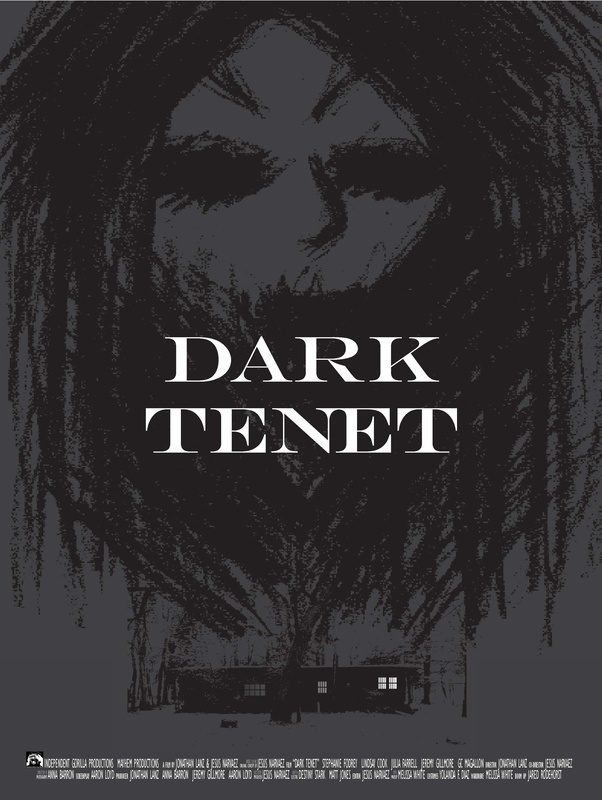
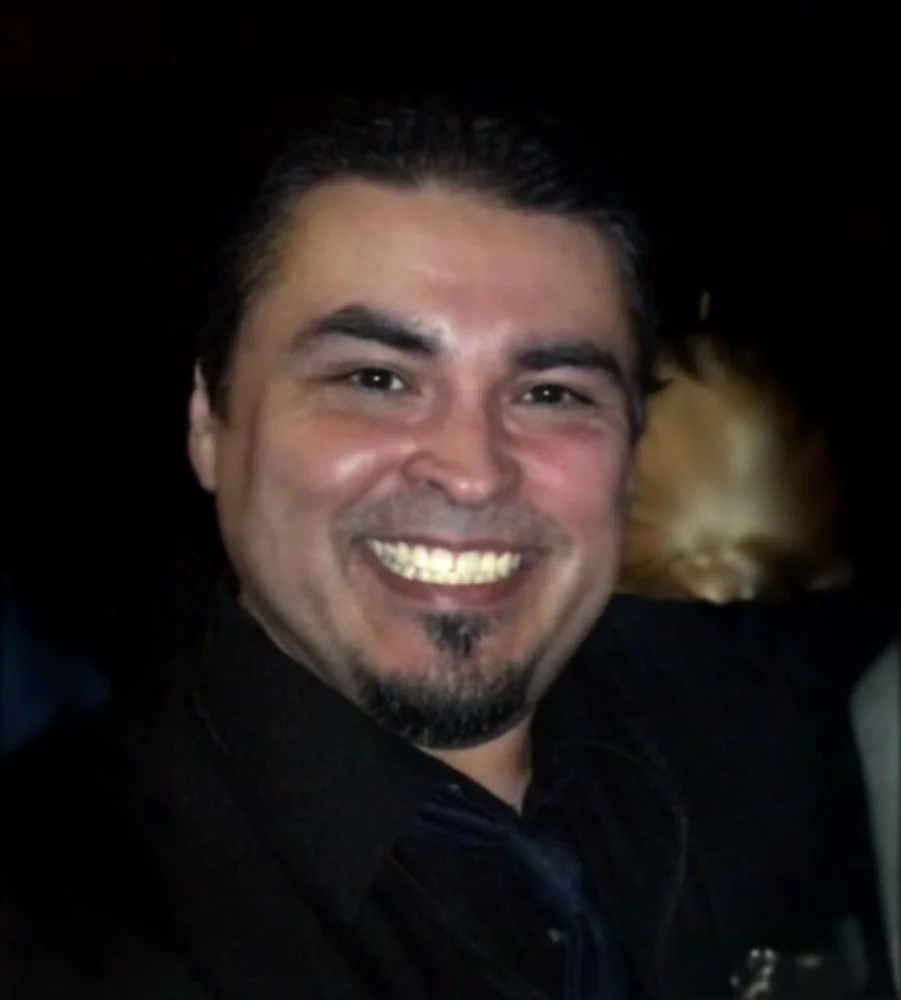
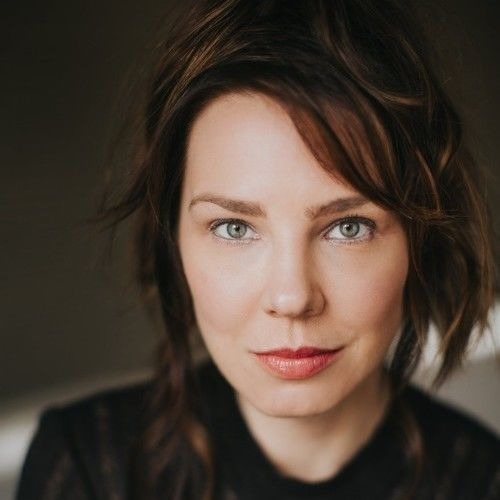
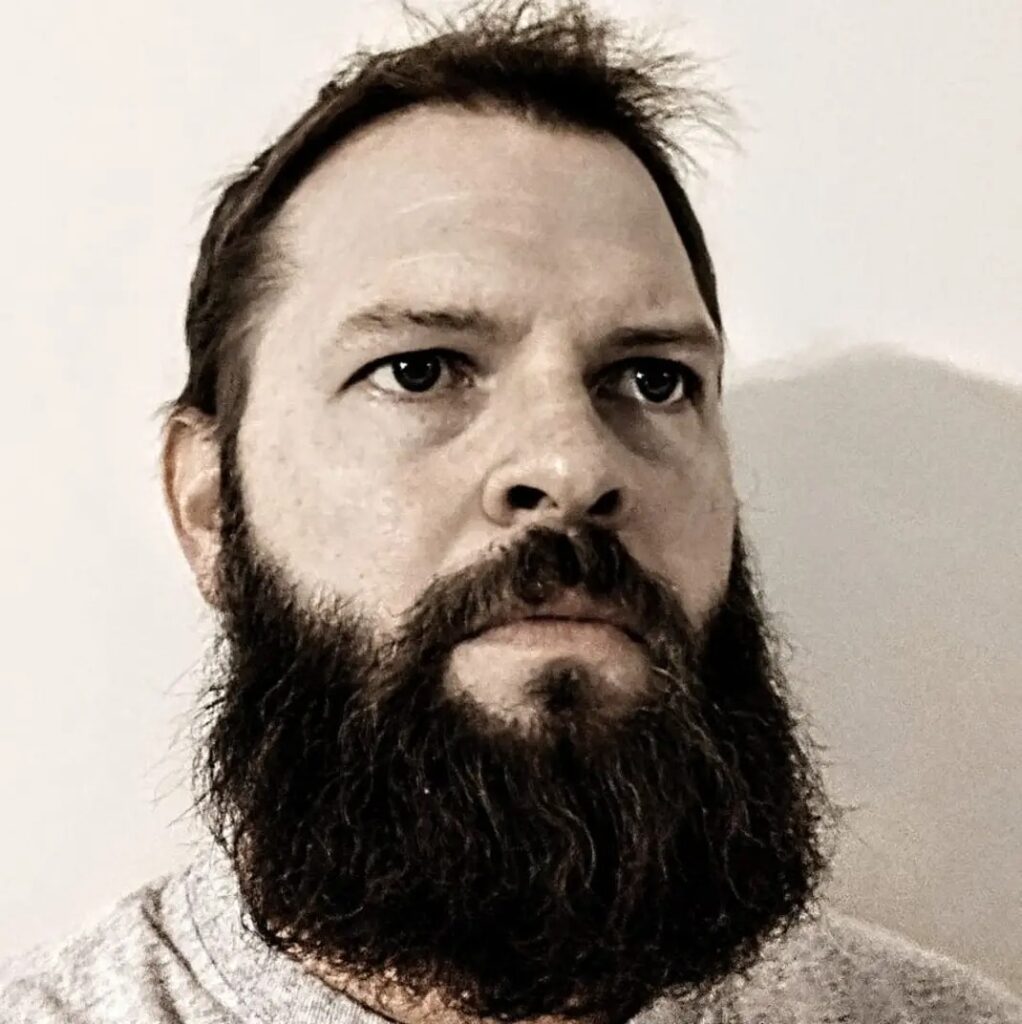
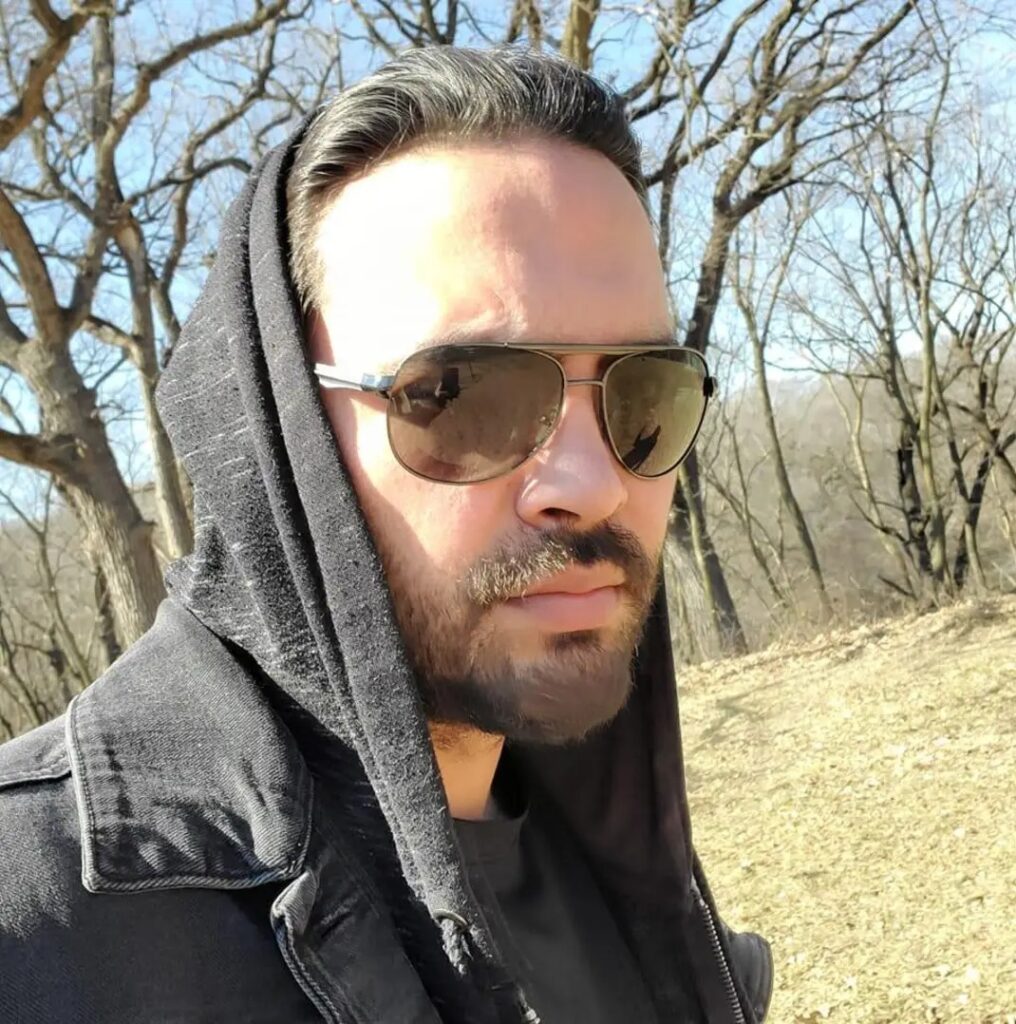
An Interview With Directors Jesus Narvaez and Jonathan Lanz on Their Short Horror Film "Dark Tenet"
Hi, Jesus and Jonathan, thank you so much for joining us for the interview!
Logline:
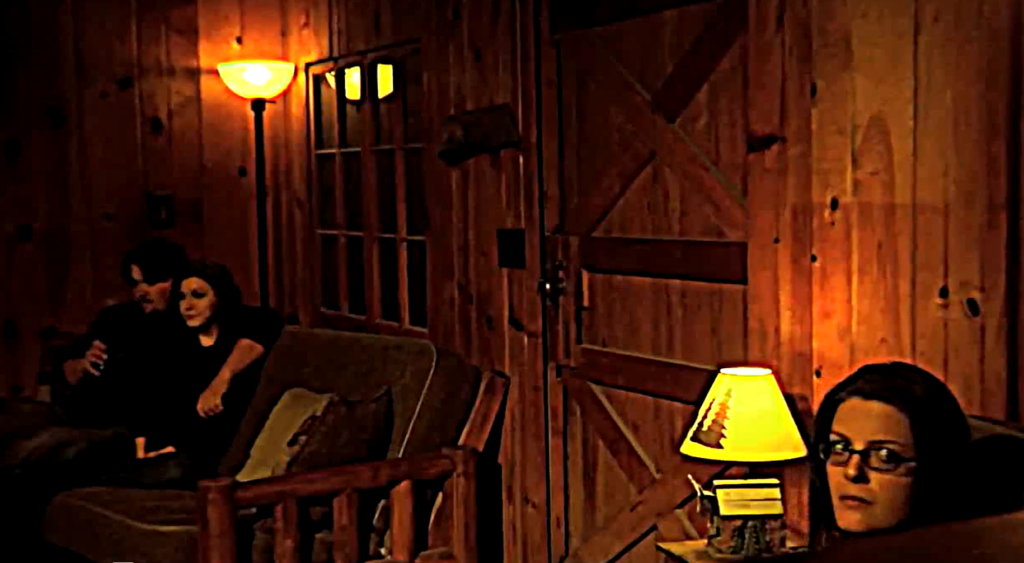
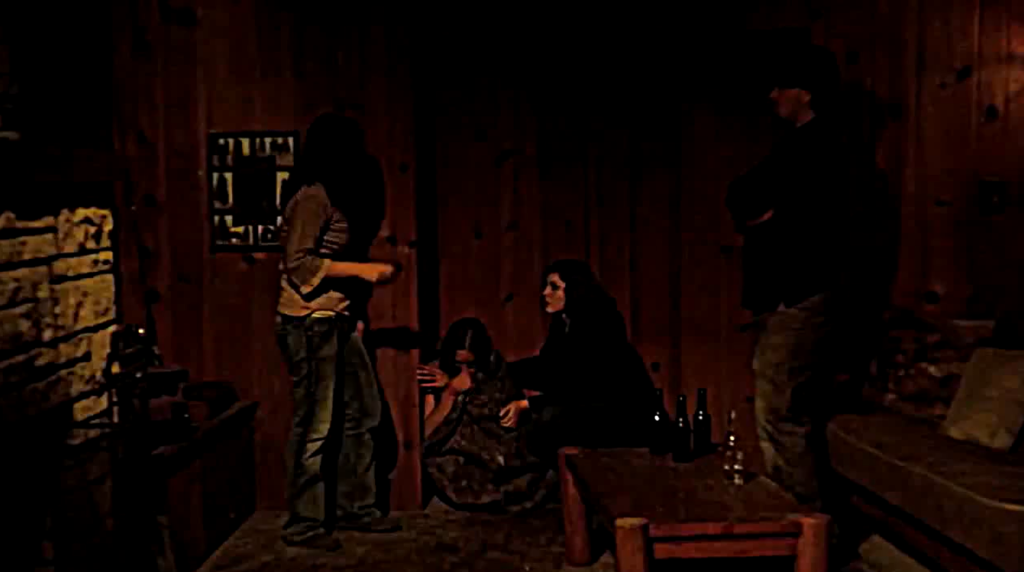
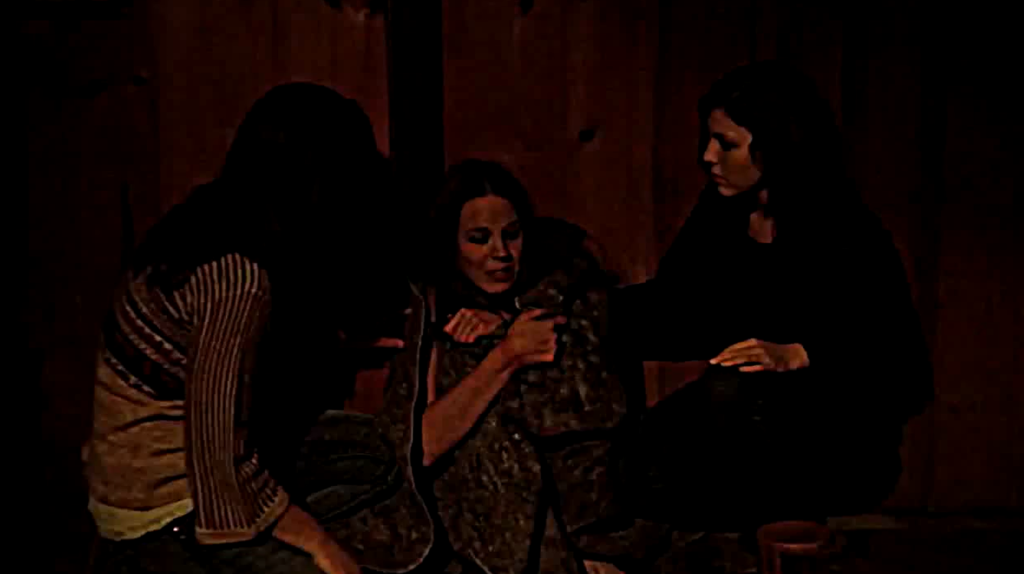
Emily, Abby, Dan and Jake, arrive at the remote cabin for a relaxing weekend. After settling in, Jake receives a call and leaves abruptly, expressing concern over a family emergency. Later that evening a hysterical woman, Amber, shows up in a panic pleading for safety. Unfortunately, Amber has led an dark, ominous cult right to their front door.
What inspired the core idea behind the story of “Dark Tenet”?
I set out to tell a suspenseful story, possibly a cautionary tale, about uncovering a hidden secret. Dark Tenet follows a group of friends who travel to a remote cabin for relaxation, and a mysterious woman arrives late at night, only to find themselves confronted by a mysterious cult. The film was inspired by the Blair Witch Project, which uses suspense and a single location to drive its narrative. For example, what was going on in the story?
The film introduces tension quickly within a very short runtime. How did you approach structuring the narrative to build suspense in just around five minutes?
Actions speak louder and faster than words. Part of the suspense is that we barely have time to know the main character, and we’re already in danger. That throws us, the audience, right into the scene with them. What they do next is an immediate introduction to what kind of person they are. We empathize because they are immediately responding as we would.
The remote cabin setting plays a key role in creating a sense of isolation and danger. What made this location the right environment for the story you wanted to tell?
A remote cabin scene where they are more accessible, and they have been used constantly in horror movies like The Evil Dead, Cabin Fever, and Friday the 13th. Remote cabins deal not only with the isolation, but also with the unknown that might happen out there.
Amber’s sudden arrival dramatically shifts the tone of the film. How did you develop her character and the moment she brings the threat of the cult to the group?
Amber’s scene was to warn the group; the goal was to help her truly feel the emotion and act on it. In acting, you can’t just tell someone to feel vulnerable or desperate—they have to show it through their actions and expressions.
Horror often relies heavily on atmosphere and pacing. What techniques did you use through cinematography, editing, or sound to build tension and unease?
The cinematography was shot from different points of view from each character, including the cult members, Amber, and the group of young adults. The editing was cut at a fast pace, with some important scenes missing to maintain mystery qualities. Low lighting was used to bring in darkness, while the light inside the cabin symbolizes the last bit of hope. The right kind of music and sound effects added to the suspense, making the film feel strange and scary.
Short films often require very efficient storytelling. What were some of the biggest challenges you faced while making a compelling horror narrative within such a limited duration?
I had to find scenes that would run smoothly and quickly. It’s hard to recut a film after putting in a lot of time and energy into your masterpiece. Suspense-driven films have to move very quickly. Also, we shot early scenes before the final cuts to make it into a short film. My filmmaker partner and his crew did all our equipment checks before each shoot and adjusted our lighting setup to avoid dark shadows or overexposed areas. An external microphone was used to monitor the audio equipment, including headphones and boom microphones, to catch any background noise or interference. We reshot a couple of scenes on the spot until editing.
Was Dark Tenet your first project together? If so, what were some of the challenges you faced during production, and how did you manage to overcome them?
Our first collaboration together for first-time filmmakers was a challenging task. The challenges in making the short film include creative different directions, time schedules, challenging weather conditions, heated and stressful drama, handling and hauling camera equipment, and lighting placement in various locations.
Jesus, your background in art, storyboarding, and visual media seems closely tied to filmmaking. How have those early creative experiences influenced your approach to directing and visual storytelling?
I’m more of a visual and hands-on kind of person when it comes to filmmaking. I get involved in every aspect, from storyboarding to behind the camera. For example, I like to draw out scenes before shooting the actual scene. It’s a small preview to have camera angles in place, or a better camera angle.
What was the collaborative process like between the two of you while directing Dark Tenet? How did you divide responsibilities during production?
It was challenging at times during collaboration, where we should focus on a lot of the filmmaking process. Well, each filmmaker finds what skills or strengths they have at their disposal. My strengths were visualizing scenes with storyboards, co-scriptwriting, applying VFX effects, funding, editing, and sound effects. My filmmaker partner’s job was to find the locations, rent the lighting equipment, create costumes & make-up, and find the actors and crew.
What do you hope audiences take away from Dark Tenet after watching the film?
I want the audience to feel like they are in a horror film, even if it’s a short film. Being in a dangerous situation like they were, or being in the character’s shoes for a moment. Is there a message being told here? There are messages in this short film. We should be careful whom we trust, it could mean our friends. There is more story being told here. Don’t go to the remote cabin for relaxation with friends anytime soon, etc.
Who would you like to acknowledge and credit for the success of this project?
I would like to acknowledge and credit the success of this project to my filmmaker partner for gathering the items we needed. I want to thank the cast and crew for making this project a reality.
Finally, what advice would you give to aspiring filmmakers who want to create engaging horror stories with limited time and resources?
The wisdom that I want to share with aspiring filmmakers is to find stories that not just interest you, but also engage. Something that you know. Take your time creating projects and enjoy the process of making them. Do your research. Pray to the movie gods and some luck..