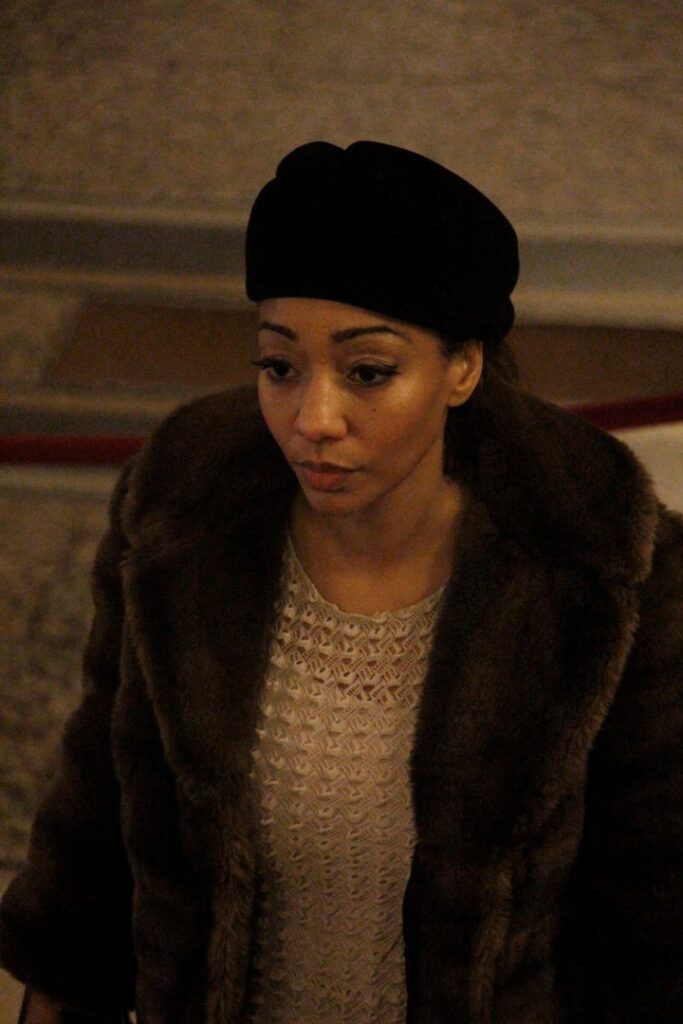
An Interview with Olivia N'Ganga on Her Silent Film, "Destiny"

Logline:
Freda Mc Donald is the all-new headliner at the Opera de Tours. She is the first black dancer to perform on a French stage. The public is impatiently waiting to discover his new creation, “An inevitable encounter”, but the Charleston specialist will be confronted with a harsh reality which risks turning his life upside down forever.
Destiny is a powerful silent film about resilience, art, and compassion. What inspired you to tell Freda’s story in this way?
I wanted to talk about the love of art, sharing, and resilience in a universal way. The form that perfectly suited the message I wanted to convey was silent film. Through this medium, we have the opportunity to convey real emotions by being more accurate, humble, and honest in our character interpretations.
The film touches on identity and personal struggle. Why did you choose the silent film format to convey such an emotional journey?
I think that when we are in a quest for identity and in a fight against illness, at any moment, we can lose our words, our voice and at that moment, the only escape is emotion. For me, silent film was the most suitable format for the emotional journey that I wanted to convey.
Freda is the first Black dancer on a French stage in your story. What message did you hope to deliver by highlighting this milestone in history?
Indeed, Freda is the first black American dancer to perform on a French stage in front of a white audience in the film “Destiny”. I wanted to include this historical event in my script because I wanted to pay tribute to this female artist who existed but above all to prove by example that everything is possible from the moment you dare, work and never give up, even in times of war. But above all, to never forget the actions and struggles of those who paved the way for us decades later.
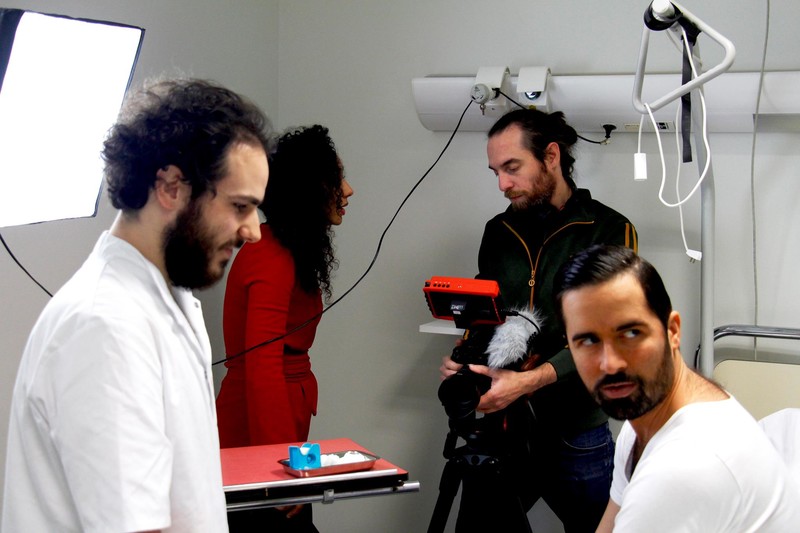
You wore multiple hats in this project—as director, writer, and performer. How did you balance these creative responsibilities?
In this project, I wore several hats: screenwriter, co-director, and performer. To ensure the project ran as smoothly as possible and to ensure I felt 100% invested in all the roles I had to play, I proceeded in stages. When I was writing, I was fully a screenwriter without thinking about my other roles that would follow. It was the same process for the production and the performance. I was very fortunate to collaborate with an exceptional team who believed in the project and trusted me in all the roles. This human experience and this caring atmosphere allowed me to juggle between the three hats with great fluidity and confidence.
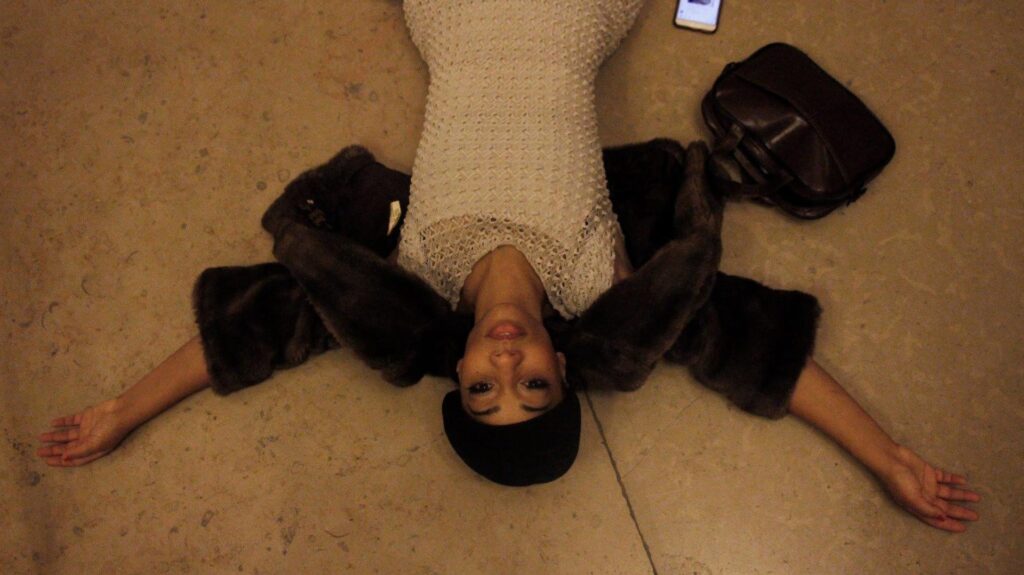
What challenges did you face in embodying Freda while also guiding the overall vision of the film?
For me, it was a great satisfaction to be able to translate what I had in my head into images and performances. On the other hand, it was a big challenge, because a lot of responsibility rested on my shoulders. Co-direction, acting, but also all the technical and logistical aspects related to sets and costumes. So I was holding my breath throughout the adventure from the moment the script was finished. Despite a huge adrenaline rush throughout the entire shoot and in post-production during editing, it was one of my best memories of filming. If I had to go back, I would do it exactly the same way.
Were there moments when directing yourself felt especially rewarding or difficult?
Freda’s struggle with her health and artistry creates a touching parallel. How did you approach portraying both her strength and her vulnerability?
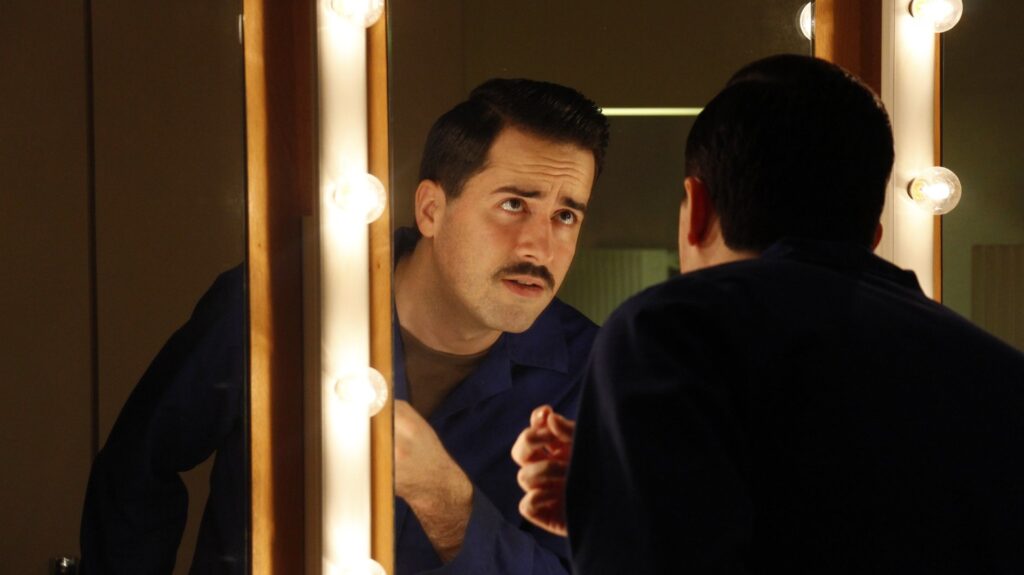
How do you see the film’s themes—perseverance, compassion, and identity—resonating with today’s audience?
I think that these great themes of perseverance, compassion, and identity resonate very strongly with audiences today because we have all, at one time or another, experienced a difficult situation that led us to persevere to get through it. I think that identity is also a very important social theme that we must not forget. That each person has a story with their origins that give us our own identity. Today, we can still lose our lives because of our identity. It is therefore in the public interest to talk about it. I think that the way identity is approached in the film, the audience can identify with or project themselves based on their own experiences. And for compassion, I think we cannot remain indifferent when we see Freda and Pépito share the same destiny at the cost of their lives.
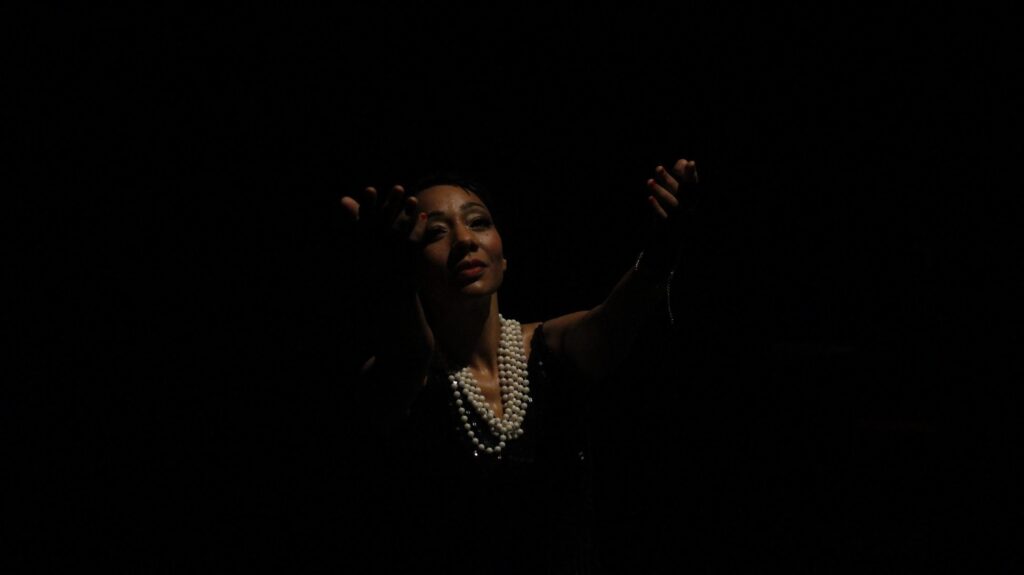
Since Destiny is a silent film, you rely heavily on expressions, movement, music and visuals. How did you prepare differently as an actress for this format compared to a dialogue-driven role?
When I approached this silent role, I immediately immersed myself in the character’s personality and psychology. These two qualities brought me a whole range of emotions, both explorer and exploiter, in my work embodying the character. I meticulously crafted every expression, every body movement, and every facial expression so that I wasn’t just an actress playing Freda, but rather Freda in her authenticity. When I no longer had any secrets from Freda, when I knew everything about her down to the smallest detail, I was able to fully embody Freda. Unlike a role with a script, the silent role required me to rely directly on expressions, embodiment, physicality, musical writing, costumes, and sets to convey the message. Unable to use words to tell Freda’s story, I had to experience the situation fully and intensely in its entirety to convey the message and write the story solely through emotions.
The title Destiny is powerful. How does it reflect Freda’s journey and your own vision as a filmmaker?
Who would you like to acknowledge and credit for the success of this project?
What advice would you give to aspiring filmmakers looking to break into silent film?
If I had to give advice to aspiring filmmakers who would like to get into silent cinema, I would simply say: “Go for it. You only have one life. And for it to be exciting and memorable, you have to take risks. Life is so much more impactful when we step out of our comfort zone. So, dare to never have to regret it.
Finally, how has creating Destiny influenced your perspective as a storyteller and as an artist?